Logus HMS (Hospitality Management System)
Система управления отелем
Система управления отелем

Время, когда нужно было выбирать между стандартами гостиничного бизнеса и специфичными технологиями работы, прошло. Мы создали автоматизированную систему управления отелем, позволяющую строить бизнес-процессы в гостинице, санатории, доме отдыха, хостеле или на курорте так, как это удобно Вам. Любой может позволить себе быть уникальным.
Для кого?
Система управления гостиницей, отелем Logus HMS позволяет претворить в жизнь любые технологии для ведения бизнеса,
выстроить грамотный диалог с гостями и компаниями-клиентами, делая сложное – простым.
Логус HMS - это не облачная система управления гостиницей, а клиент-серверное приложение. Она устанавливается на
сервере гостиницы, и для российского рынка в настоящее время такое внедрение, на наш взгляд, лучше и надежнее, чем
облачная система управления отелем с системой безопасности для баз данных и хостингом, качество и безопасность
которого в общем случае непрозрачна для отеля.
В отличии от облачной системы управления гостиницей, Logus HMS легко стыкуется с любой периферийной системой (к
примеру, фискальные регистраторы). В то время, как облачная система управления отелем напрямую зависит от наличия
и быстродействия интернета, Логус работает автономно без привязки к сети интернет, это также является
дополнительным преимуществом с точки зрения скорости обработки данных, ведь изначально любое интернет-приложение
не может обеспечить такую же скорость работы, как клиент-серверное приложение.
Ведение номерного фонда в койко-местах
Продажа санаторно-курортных путевок (в ночах и в днях)
Интеграция с медицинской системой
Автоматизация бизнес-процессов отеля
Управление тарифной политикой и продажами номерного фонда
Полная аналитика
Ведение номерного фонда как в комнатах, так и в койко-местах
Продажа оздоровительных путевок
Работа с динамическими пакетами
Сравнительная отчетность по отелям
Общая база гостей и компаний
Стандартизация маркетинговой информации
Продажа койко-мест
Таблица наличия мест по часам
Интеграция с облачными системами online-бронирования
Гибкость
Система будет удобным и мощным инструментом автоматизированного управления в гостиницах, отелях, на объектах санаторно-курортного типа, в домах отдыха и хостелах.
Logus HMS подходит для различных единиц продаж:
Для выбранной единицы, стоимость может рассчитываться:
Весь функционал системы управления отелем нацелен не просто на обработку потока бронирований, но на управление продажами с целью увеличения прибыли. Для этого реализованы механизмы блокирования тарифных планов, продажи комнат определённого типа, установки лимитов перебронирования, а также планок minimum-stay.
Один тарифный план, который меняется по сезонам, дням, в зависимости от длины проживания и пакета услуг, который в него включён? Да, конечно.
Изменение цен в автоматизированном управлении гостиницей больше не требует пересчёта всех тарифов для корпоративных и туристических партнёров. Настроенная единожды зависимость позволит менять только лишь базовый тариф Rack Rate. Все остальные тарифы изменятся вместе с ним.
Экраны системы
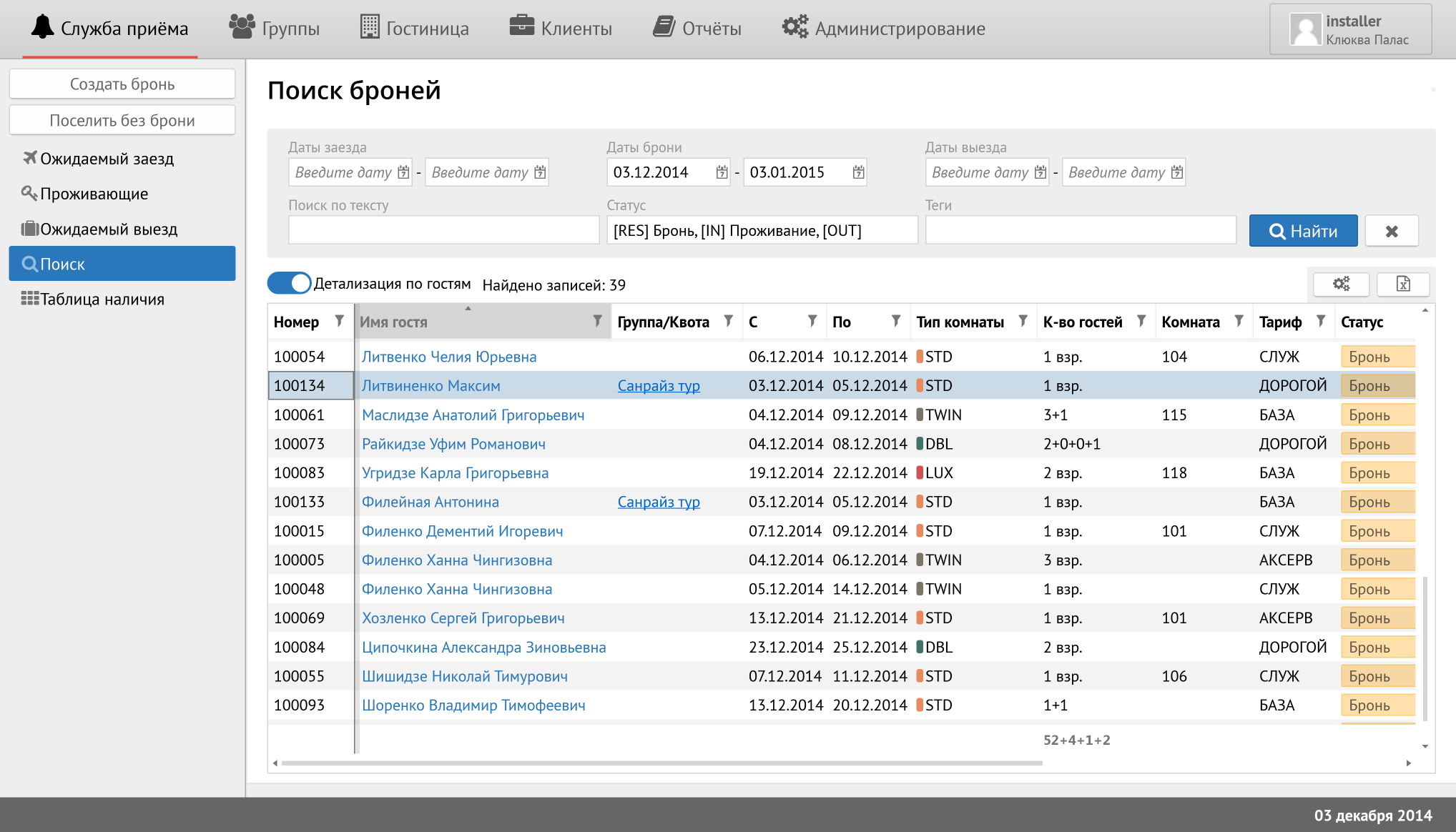
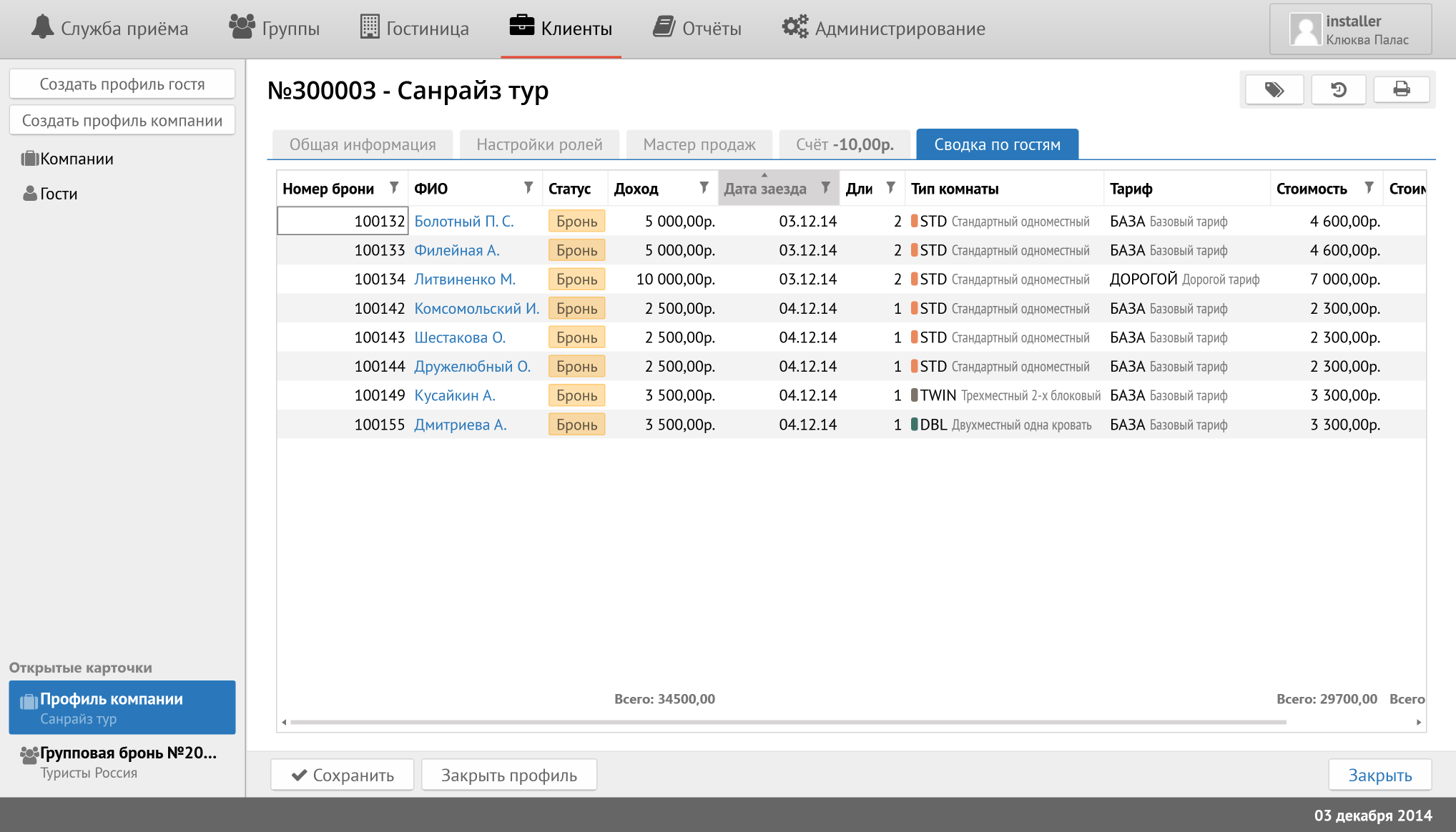
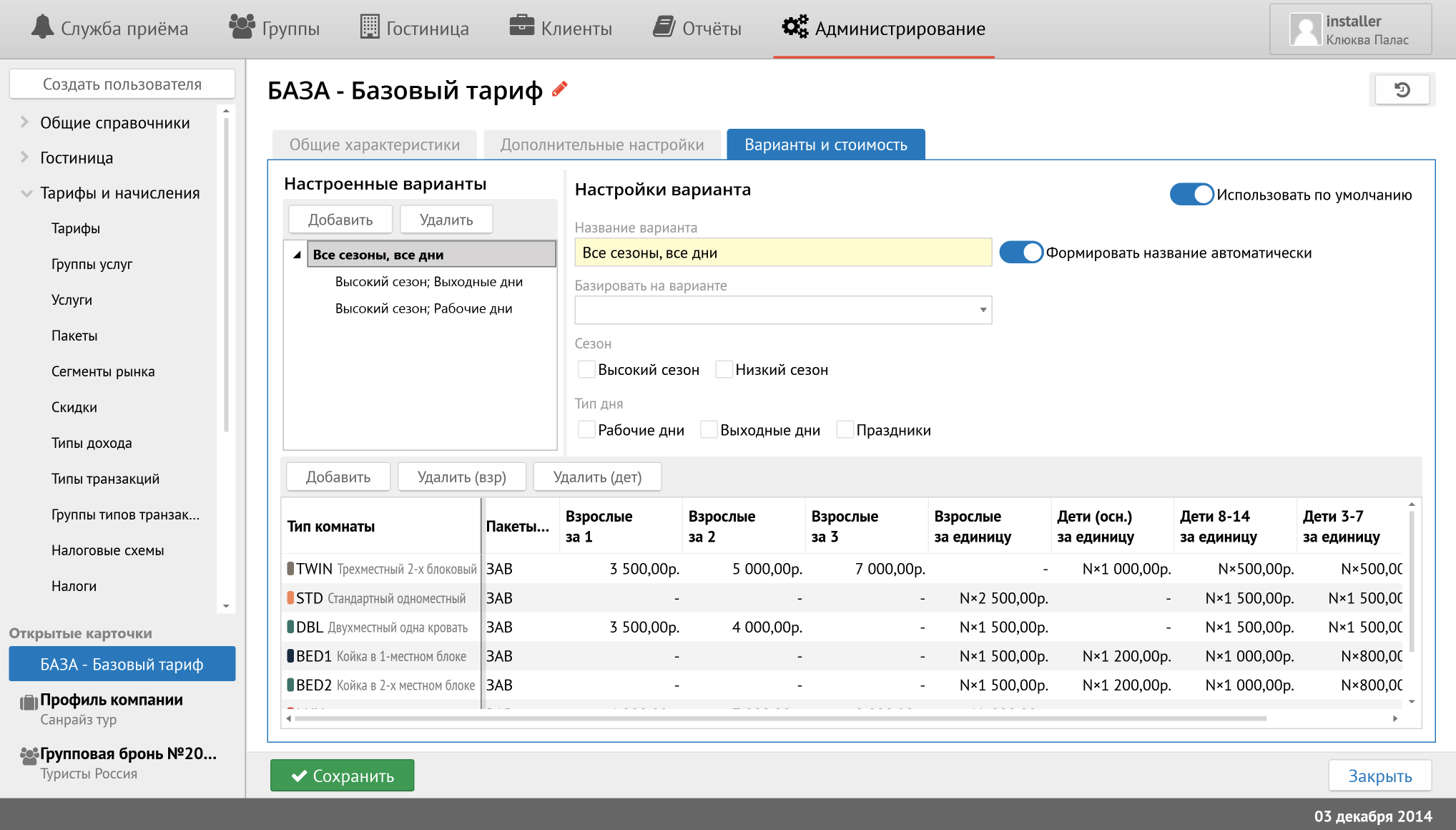
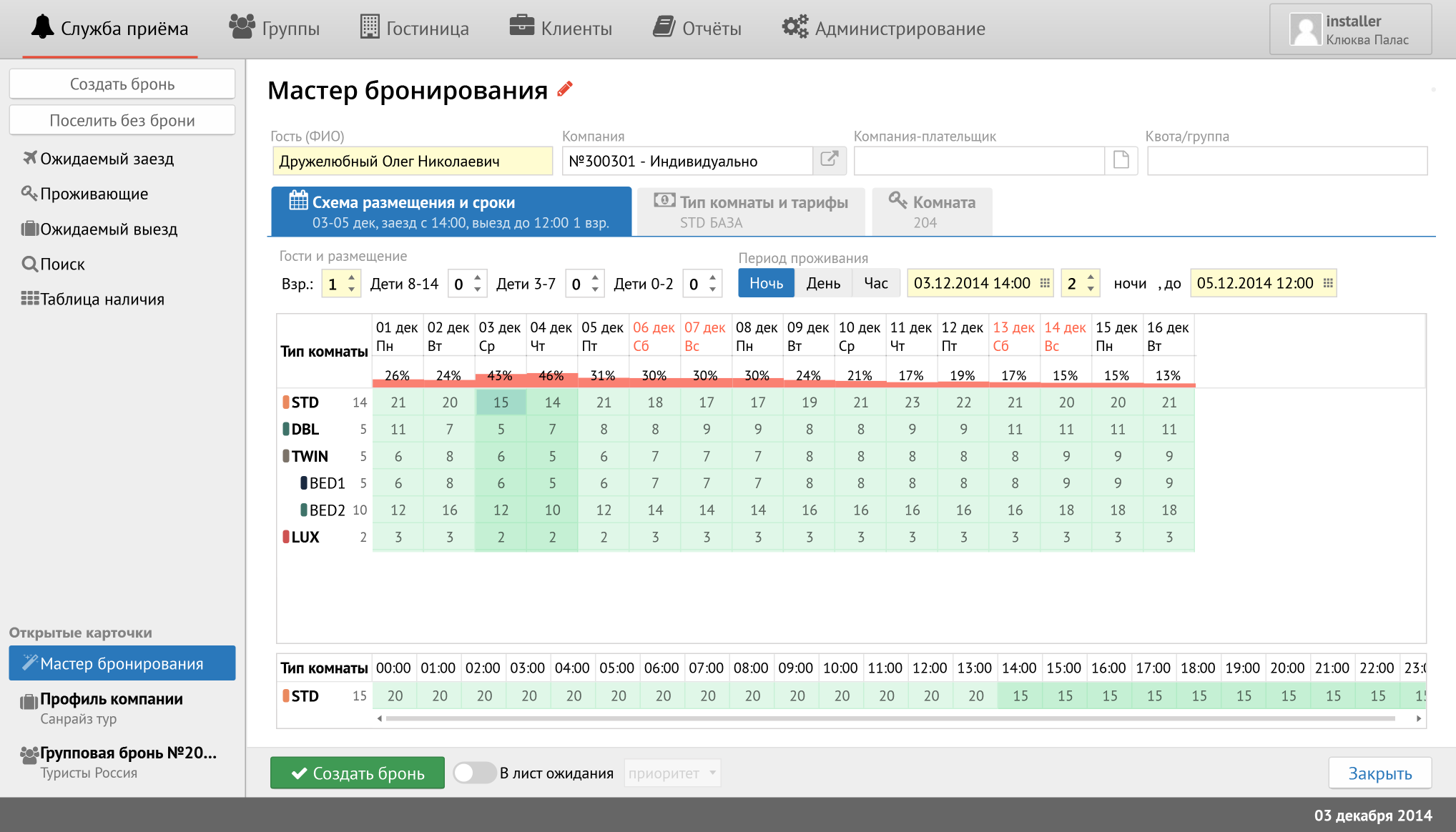
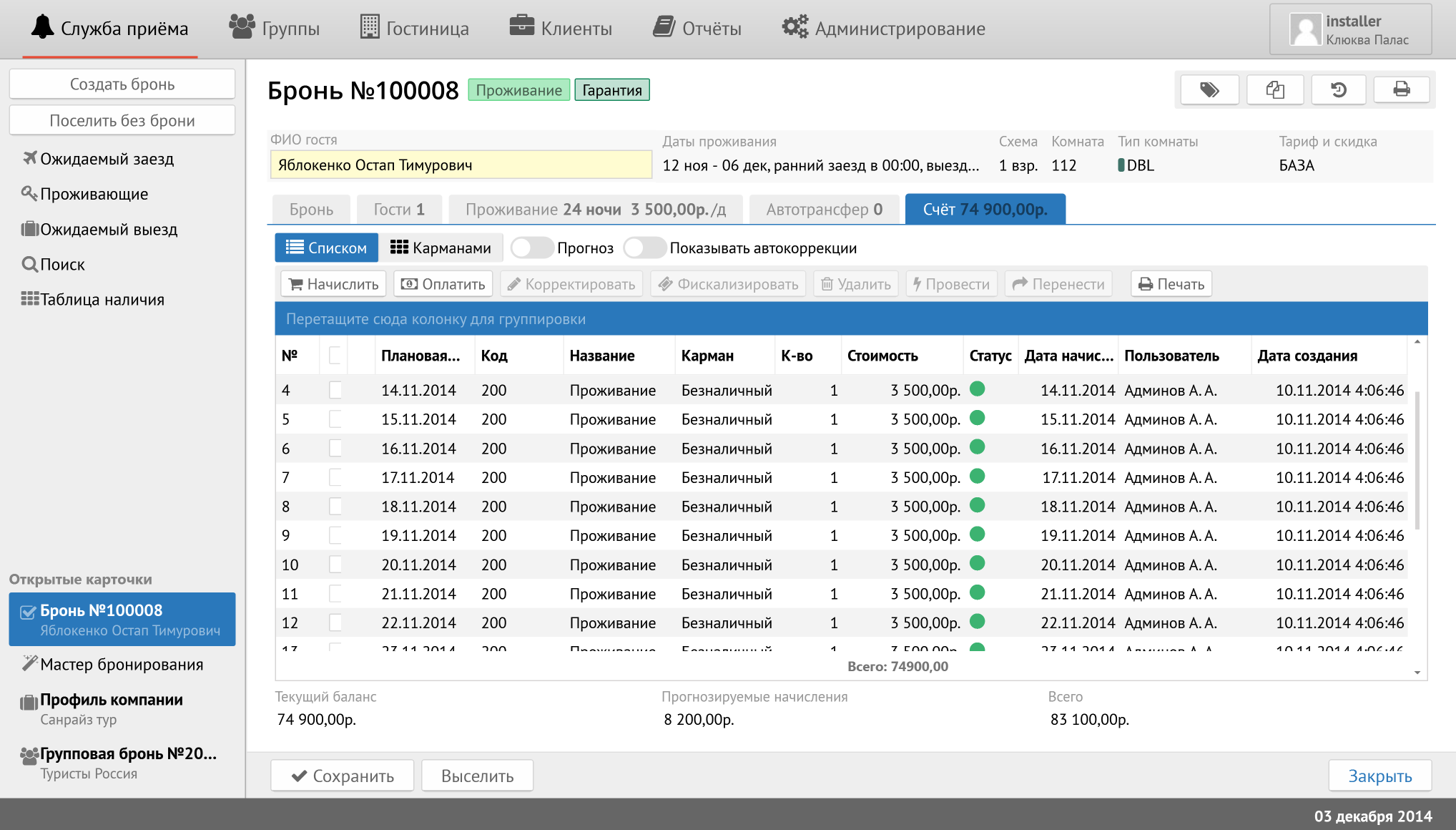

Навигация на основе интерактивных ссылок. Интуитивно понятный интерфейс
Внимание к финансам
Многие российские и зарубежные автоматизированные системы управления гостиницей, отелем дают возможность существования счёта только у проживающих гостей. Для всех остальных, а также для ведения расчётов по услугам без проживания были изобретены полезные, но устаревшие принципы ведения «служебных счетов» или Pay-Masters, не привязанных к комнате, не влияющих на загрузку, и, порой, засоряющих списки гостей.
Вы не найдёте их в системе управления отелем Logus.
А найдете Вы вот что:
Счёт гостя, для хранения в гостевом профиле данных об авансах и долгах, в перерывах между визитами
Счёт компании, позволяющий службе продаж и бронирования контролировать баланс контрагентов. Стыкуется с 1С
Счёт группы, который соберёт все начисления оплачиваемых заказчиком услуг с счетов гостей, позволив быстро отделить индивидуальные услуги от групповых. Счёт группы подождёт, пока его закроют, даже после выезда гостей
Не осталась без внимания и технология ведения счетов броней. В системе управления отелем Logus HMS, помимо стандартных функций, реализована давно востребованная техника разделения счетов гостей при проживании в одном номере с разными тарифными планами и наборами пакетов услуг (услуг питания, лечебно-оздоровительных и так далее).
Инструменты работы с дополнительными услугами включают прогнозирование начисления и оказания услуг.
Любая транзакция детализируется на составляющие. К примеру, транзакция «Мини-бар» может раскладываться на наименования использованной продукции, при этом не засоряя гостевой счёт. Такая детализация может впоследствии использоваться при интеграции автоматизированной системы управления отелем с бухгалтерской системой для складского учёта.
Работа с большими и очень большими заказами
У вас есть постоянный партнёр, с которым заключён долгосрочный контракт на квоту номеров? И вам нужно автоматизировать работу с этой квотой, не заботясь о том, чтобы неиспользованные номера вовремя возвращались в свободную продажу?
Система управления гостиницей Logus решает эту задачу с помощью простого, но гибкого функционала в профиле компании, легко справляясь с многомесячными или даже многолетними заказами.
Персональные отчеты
Отчётный модуль Logus включает стандартный набор отчётов, необходимых для работы служб. Обучите своих сотрудников работе с конструктором отчётов – и расширяйте список доступных для вас документов столько, сколько нужно.
Шаблоны печатных форм (счетов, регистрационных карт, подтверждений брони) также доступны для быстрого редактирования.

В курсе дел 24 часа в сутки
Хотите быть в курсе состояния бизнеса 24 часа в сутки? У вас под рукой не всегда есть компьютер или ноутбук?
Logus может работать с планшетом.
Этот функционал также актуален для оперативного решения задач службой горничных и технической службой на объектах с большой территорией.
Система управления гостиницей даёт возможность получать информацию о поступающих заявках на уборку и ремонт, а также ставить отметки о выполнении. Не теряйте друг друга из виду!
Отправка E-mail и sms-уведомлений
Автоматизируйте подтверждение броней, освободите рабочее время своих сотрудников для более полезных задач.
Система управления Logus сама сообщит гостю отеля номер его брони, даты проживания и тариф. Для этого потребуется лишь взять его e-mail или номер телефона.

Простота навигации
Logus HMS может быть разным для каждого пользователя. Интуитивно понятный интерфейс, возможность выбирать информацию, которая будет отображаться на экране, менять цветовую гамму записей – всё это сделано для комфортной работы с системой управления.
Быстрая и простая навигация благодаря ссылкам позволяет буквально быть в нескольких местах одновременно. А метки (теги) не дают забыть важную информацию, объединяя гостей, брони, компании и комнаты.
Introduction
The transgender community is a vital part of the broader LGBTQ (Lesbian, Gay, Bisexual, Transgender, Queer or Questioning) community, which has made significant strides in recent years in terms of visibility, acceptance, and rights. The transgender community specifically refers to individuals whose gender identity differs from the sex they were assigned at birth.
History of the Transgender Community
The modern transgender rights movement has its roots in the mid-20th century, with the work of pioneers like Christine Jorgensen, who became one of the first Americans to undergo sex reassignment surgery in 1952. The Stonewall riots of 1969, a series of spontaneous demonstrations by members of the LGBTQ community in New York City, marked a turning point in the fight for LGBTQ rights, including those of the transgender community.
Key Issues Facing the Transgender Community
LGBTQ Culture and the Transgender Community
LGBTQ culture is rich and diverse, encompassing a wide range of expressions, including art, literature, music, and film. The transgender community has made significant contributions to LGBTQ culture, including:
Activism and Advocacy
The transgender community has a long history of activism and advocacy, including:
Challenges and Future Directions
Despite significant progress, the transgender community continues to face numerous challenges, including:
Conclusion
The transgender community and LGBTQ culture are complex and multifaceted, encompassing a wide range of experiences, identities, and expressions. While significant progress has been made in recent years, the transgender community continues to face numerous challenges, including discrimination, violence, and marginalization. Ongoing activism and advocacy are necessary to ensure greater recognition, protection, and inclusion of transgender individuals.
Long before modern labels, many cultures recognized more than two genders: Ancient Greece & Rome:
In 200–300 B.C., "galli" priests identified as women and wore feminine attire, serving as early transgender figures Indigenous Cultures: Many North American Indigenous groups have long recognized Two-Spirit
individuals, who embody both masculine and feminine spirits and often held sacred roles in their communities. South Asia:
community in India and Pakistan has a recorded history dating back thousands of years, often documented in ancient texts like the Kama Sutra 2. The Mid-20th Century: The "Medical" Era In the early 1900s, European researchers like Magnus Hirschfeld
began creating a framework for understanding gender and sexuality as distinct concepts. A Global Sensation: Christine Jorgensen
became the first American to be widely known for undergoing gender-affirming surgery, bringing trans identity into the mainstream spotlight for the first time Defining Terms:
The word "transgenderism" was later popularized in the 1960s by pioneers like Virginia Prince
and Harry Benjamin to distinguish gender identity from sexual orientation. 3. Stonewall and the Birth of the Movement nylon shemale tube full
Transgender people—specifically trans women of color—were at the front lines of the modern LGBTQ+ rights movement. The Uprising: In June 1969, figures like Marsha P. Johnson Sylvia Rivera
were central to the Stonewall Inn riots in New York City. This event is widely considered the catalyst for the modern pride movement. A Fractured Relationship:
Despite their leadership, trans individuals were often sidelined by the larger "Gay and Lesbian" movement in the 1970s and 80s as activists sought "respectability" from the mainstream. 4. Integration into "LGBTQ" The 1990s marked a turning point for inclusion: The Acronym:
During the 1980s and 90s, the community moved toward broader inclusion, officially adding "B" and "T" to the "LG" acronym
to recognize bisexual and transgender people as essential parts of the struggle. Legal & Medical Recognition: Organizations like the American Psychological Association
began shifting away from viewing trans identity as a "disorder," focusing instead on gender dysphoria and the importance of gender-affirming care. 5. Today: Visibility and Backlash
The current era is often called the "Transgender Tipping Point."
Transgender artists, politicians, and athletes have reached unprecedented levels of fame and influence. Community: The term "transgender" now acts as an umbrella term
for a diverse range of identities, including non-binary and genderqueer people. Challenges:
Despite visibility, the community continues to face high rates of violence, healthcare barriers, and legislative challenges globally. Seven Things About Transgender People That You Didn't Know
A high-stakes fashion heist centered around a rare, experimental nylon fabric.
A "cyberpunk" mystery where a technician has to navigate a labyrinth of pressurized tubes in a neon-lit city.
A historical drama about the invention of synthetic fibers and the competition to dominate the market.
The transgender community is a vibrant and essential part of the broader LGBTQ+ cultural landscape. While the "T" has always been present in the movement for equality, the specific experiences, history, and cultural contributions of transgender and non-binary individuals offer a unique perspective on gender, identity, and resilience. A Legacy of Resistance
Transgender history is deeply rooted in activism. Many modern LGBTQ+ rights movements were sparked by trans women of color. Figures like Marsha P. Johnson and Sylvia Rivera were central to the 1969 Stonewall Uprising, a turning point that shifted the fight for queer liberation from underground gatherings to public demonstrations. This legacy of "fighting back" remains a core tenet of trans culture today. The Spectrum of Identity
LGBTQ+ culture often challenges the gender binary (the idea that there are only two genders). Transgender culture expands this further by embracing:
Non-binary and Genderqueer identities: People who exist outside the categories of "man" or "woman."
Gender Affirmation: The social, legal, and medical steps individuals take to live as their authentic selves.
Intersectionality: Recognizing how race, class, and disability intersect with gender identity to create unique lived experiences. Cultural Contributions
Transgender individuals have shaped mainstream and underground culture for decades: Introduction The transgender community is a vital part
Ballroom Culture: Originating in New York City, the house and ball scene (popularized by Paris Is Burning and Pose) was created by Black and Latino trans and queer youth. It introduced concepts like "vogueing" and "reading" to the world.
Art and Media: From the Wachowskis’ influence on cinema to musicians like Sophie and writers like Janet Mock, trans creators use their work to deconstruct traditional narratives about the body and soul.
Language: The community has pioneered the inclusive use of singular "they" pronouns and terms like "cisgender," which help clarify the distinction between gender identity and sex assigned at birth. Current Challenges and Joy
Despite increased visibility, the community faces significant hurdles, including legislative battles over healthcare access, high rates of discrimination, and violence against trans women of color.
However, trans culture is not defined solely by struggle. "Trans Joy" is a growing movement within the community that focuses on the happiness, creativity, and fulfillment found in living authentically. It celebrates the beauty of self-determination and the strength found in "chosen families."
By moving beyond simple tolerance toward true inclusion, LGBTQ+ culture continues to evolve, proving that gender is not a destination, but a diverse and personal journey.
Title: Celebrating Identity: A Guide to Understanding and Supporting the Transgender Community and LGBTQ Culture
Introduction
The transgender community and LGBTQ culture are vibrant, diverse, and rich with history, challenges, and triumphs. As we strive for a more inclusive and understanding society, it's essential to learn about and appreciate the experiences of transgender individuals and the broader LGBTQ community. This blog post aims to provide an informative and respectful guide to understanding and supporting these communities.
What is Transgender?
The term "transgender" refers to individuals whose gender identity differs from the sex they were assigned at birth. Gender identity is a person's internal sense of being male, female, both, or something else, while sex assigned at birth is based on physical characteristics. Transgender individuals may identify as male, female, non-binary, genderqueer, or other gender identities.
Understanding LGBTQ Culture
LGBTQ stands for Lesbian, Gay, Bisexual, Transgender, and Queer or Questioning. The "+" symbol is often added to include other sexual orientations and gender identities. LGBTQ culture encompasses the shared experiences, traditions, and community of individuals who identify as LGBTQ.
History of the Transgender Community and LGBTQ Culture
The transgender community and LGBTQ culture have a rich and complex history. From the Stonewall riots in 1969, which marked a turning point in the modern LGBTQ rights movement, to the current struggles and triumphs, it's essential to acknowledge the pioneers and activists who have paved the way for greater acceptance and equality.
Challenges Faced by the Transgender Community
Transgender individuals often face significant challenges, including:
Supporting the Transgender Community and LGBTQ Culture
To create a more inclusive and supportive environment, consider the following:
Celebrating Diversity and Identity
The transgender community and LGBTQ culture are rich with diversity and creativity. Celebrate the unique experiences and contributions of individuals within these communities by:
Conclusion
Understanding and supporting the transgender community and LGBTQ culture requires effort, empathy, and a willingness to learn. By acknowledging the challenges and triumphs of these communities, we can work towards a more inclusive and accepting society. Celebrate the diversity and individuality of transgender individuals and the broader LGBTQ community, and strive to be a supportive ally and advocate for equality and justice.
Here’s a useful feature concept for “transgender community and LGBTQ culture” that could be integrated into a social platform, mental health app, or educational tool:
Feature Name: Identity & Insight Hub
Core Functionality:
Verified Educational Library
Community Wisdom Board
Local Resource Mapper
Ally Toolkit
Cultural Timeline
Why it’s useful:
Would you like a mockup wireframe description or technical implementation notes for this feature?
Nylon shemale tubes, also known as nylon hose or stockings, are a type of clothing that has been popular for various uses, including fashion, medical applications, and industrial purposes.
Perhaps no cultural export is more influential today than Ballroom. Originating in Harlem in the 1960s, Ballroom was created by Black and Latina trans women who were excluded from gay pageants. They invented categories like "Butch Queen Realness" and "Vogue."
Transgender people have always been the avant-garde of queer art. While mainstream gay culture might celebrate the circuit party or the Chelsea boys, trans culture has given us the raw, punk, and deeply emotional veins of the queer art world.
The narrative that "transgender history began with Stonewall" is a myth born of simplification. In truth, trans people—specifically trans women of color—were the architects of the modern LGBTQ rights movement.
In recent years, some gay and lesbian spaces (most notably in the UK and parts of the US) have attempted to decouple the "T" from the "LGB." The arguments range from the biological (denying that gender identity is innate) to the political (claiming trans rights undermine gay rights, particularly regarding single-sex spaces).
This is a minority view, but it has psychological consequences. Trans youth often report feeling unwelcome in gay-straight alliances (GSAs) or specifically gay bars. When a trans man walks into a "lesbian bar," or a trans woman walks into a "gay bathhouse," they face a unique form of rejection: being told they are "confused" or don't belong.